


Paving Stones

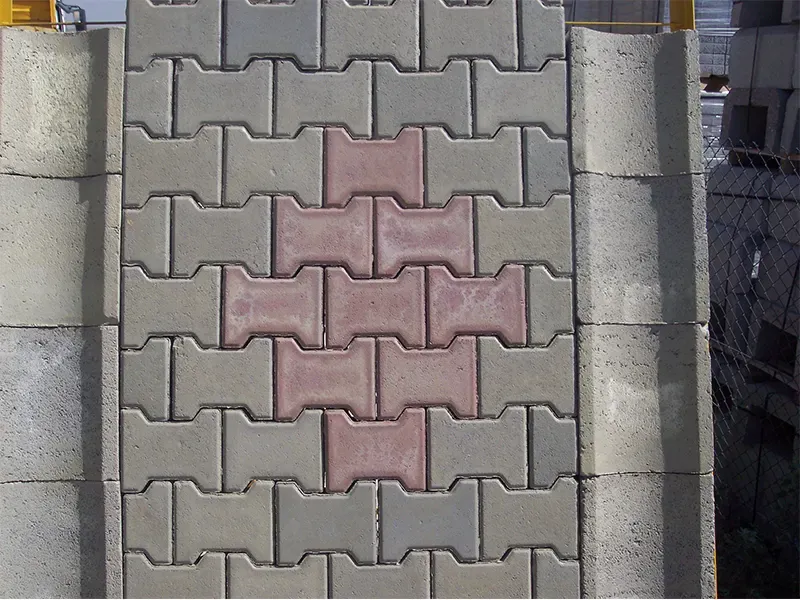
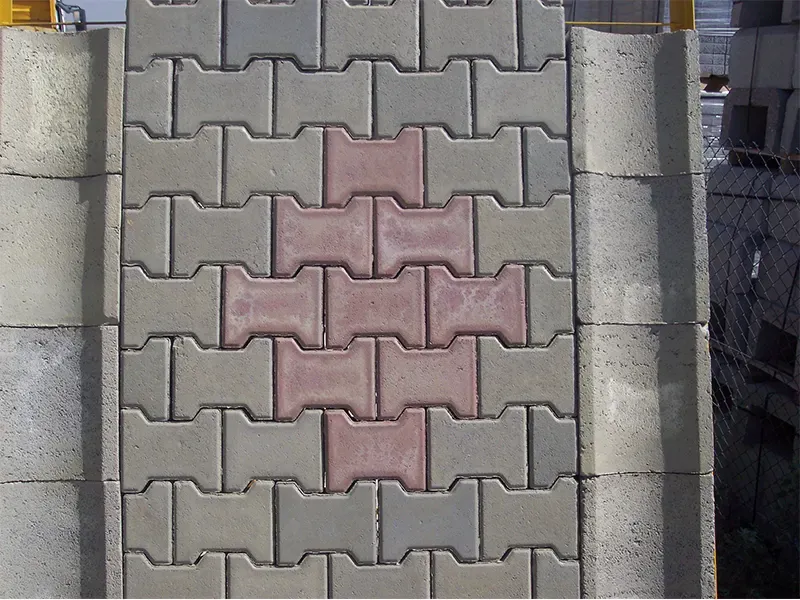
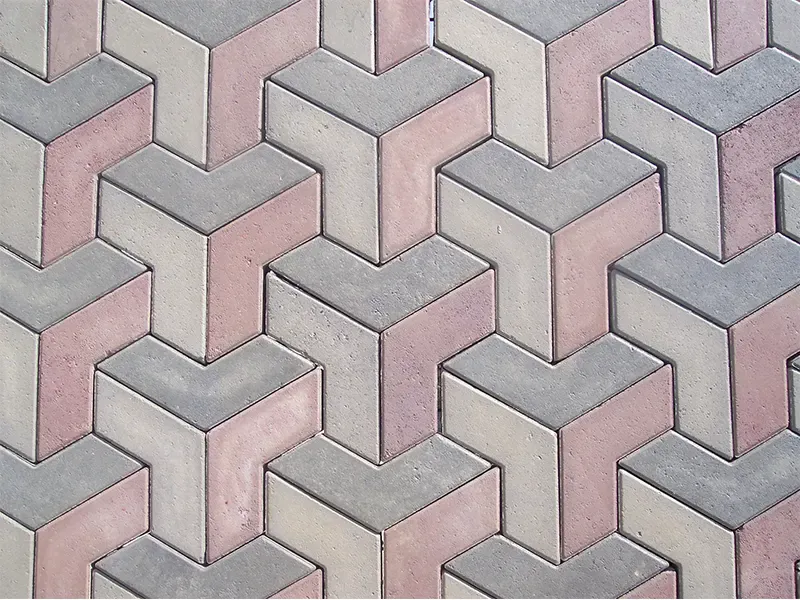
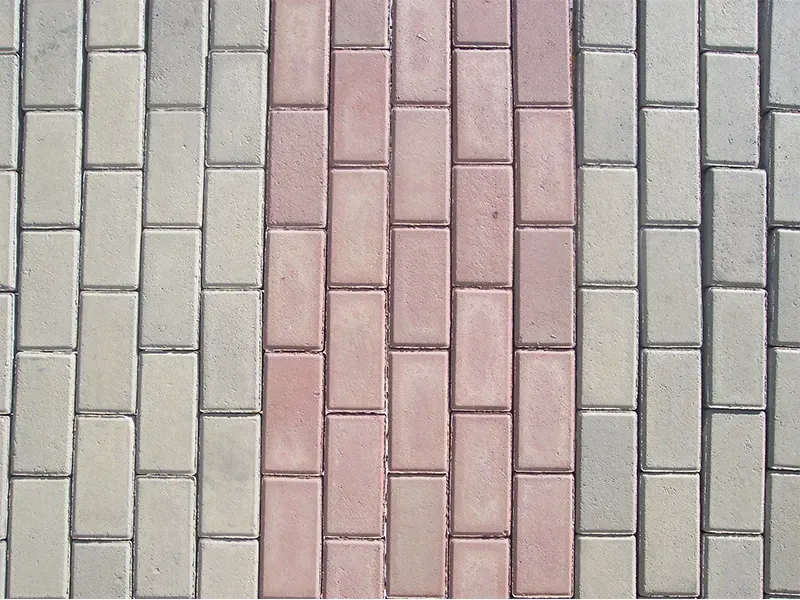
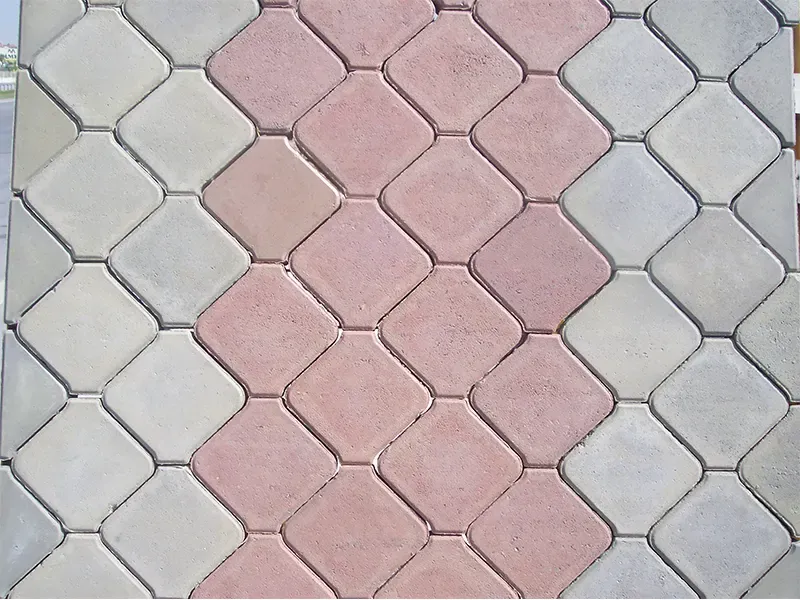
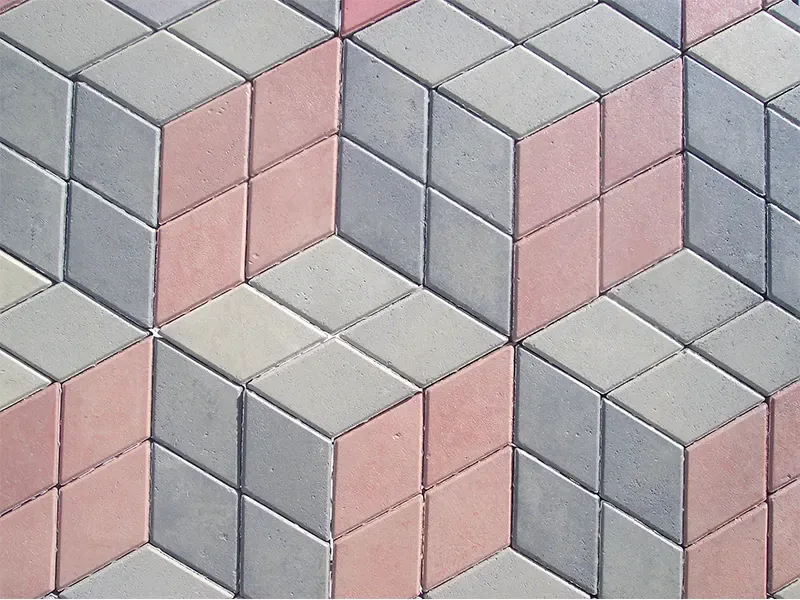
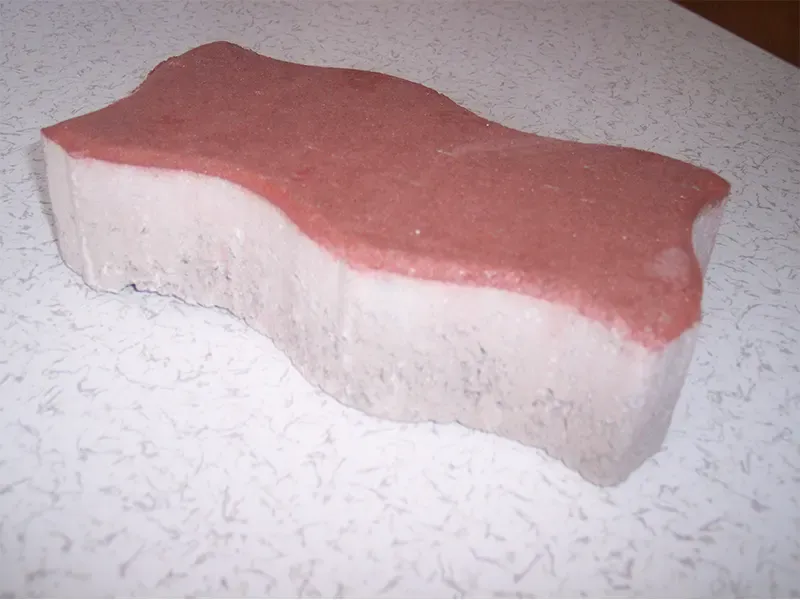
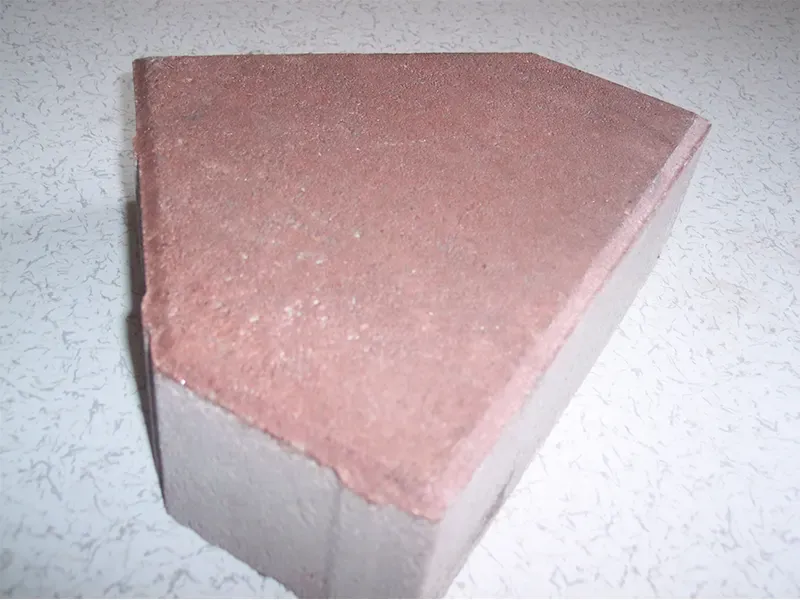
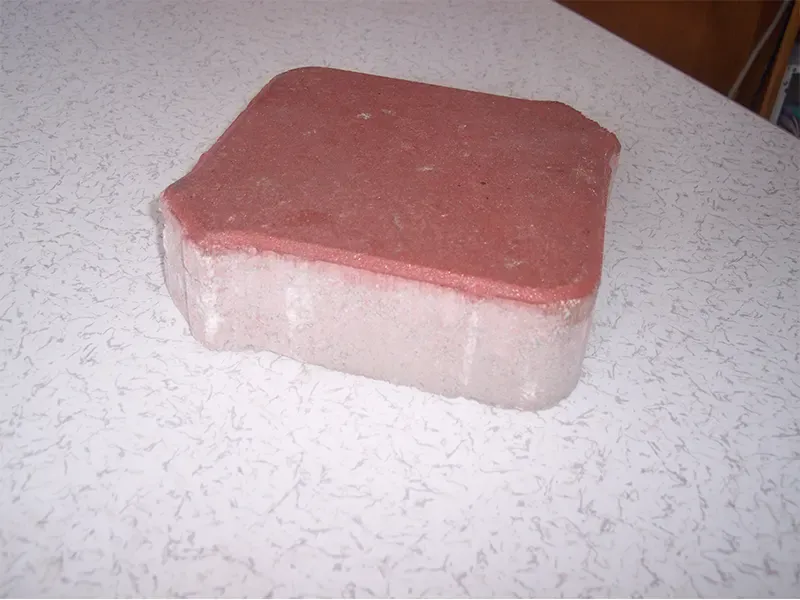
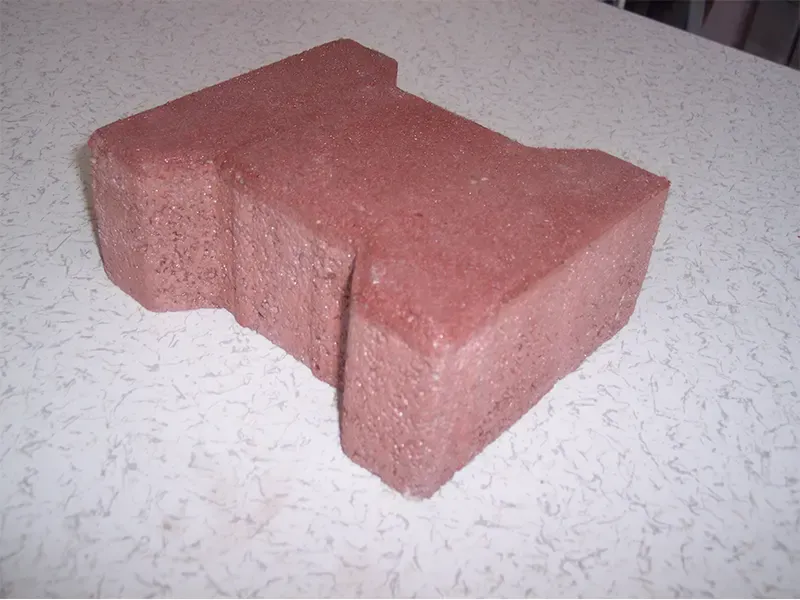
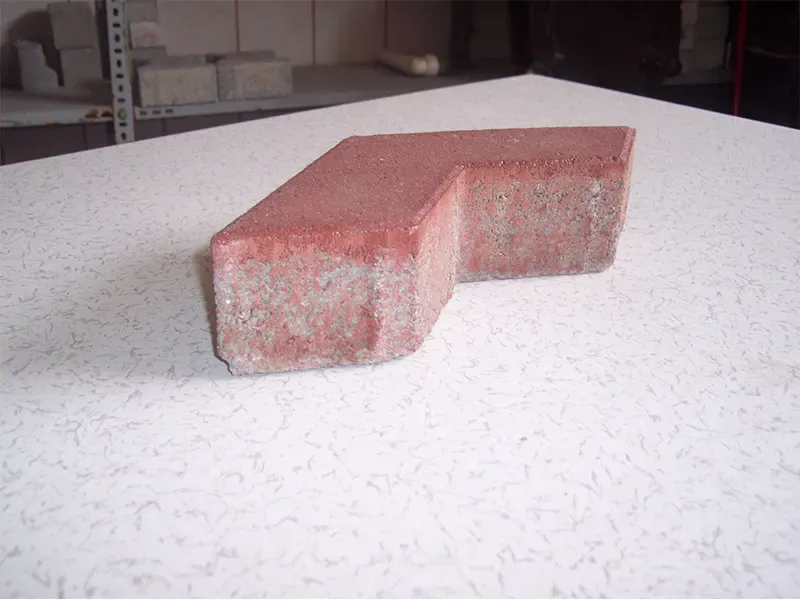
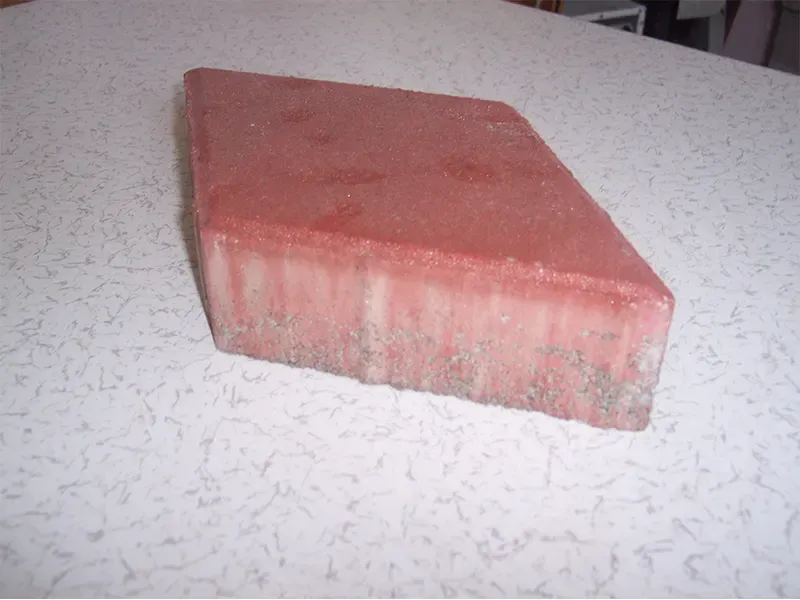
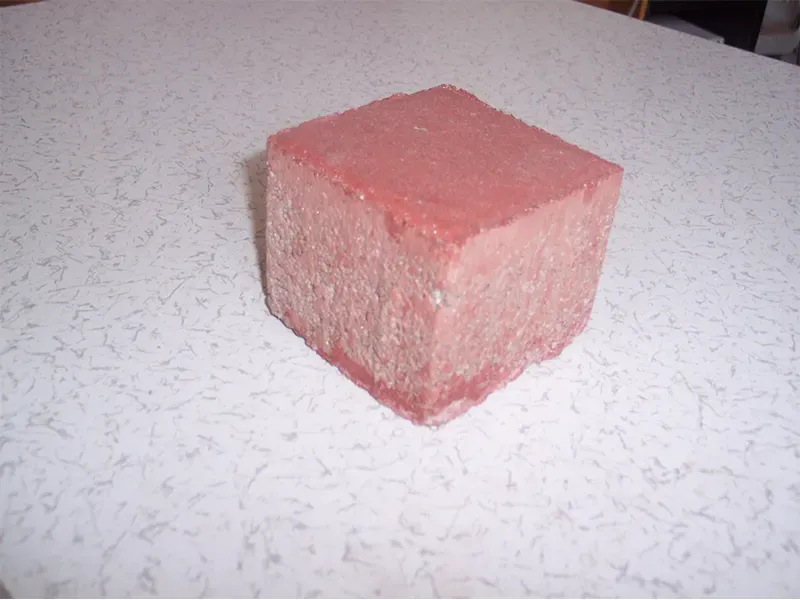
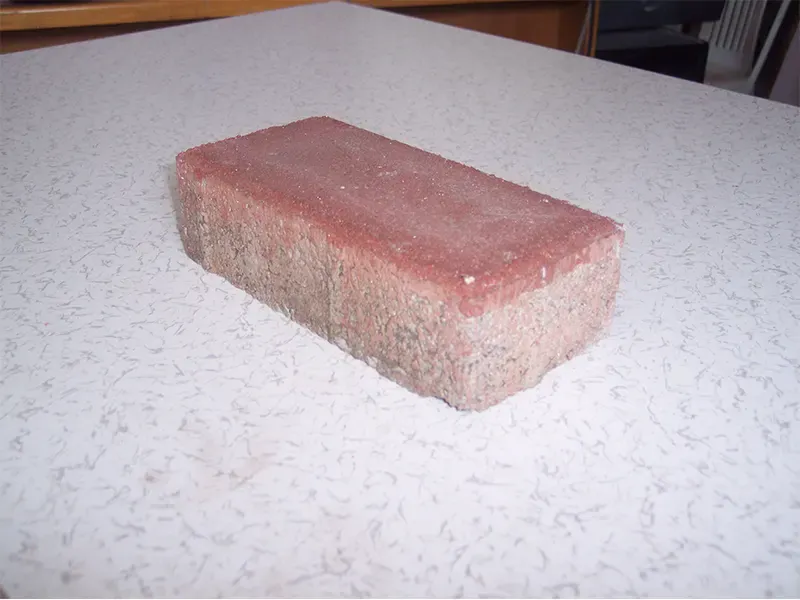
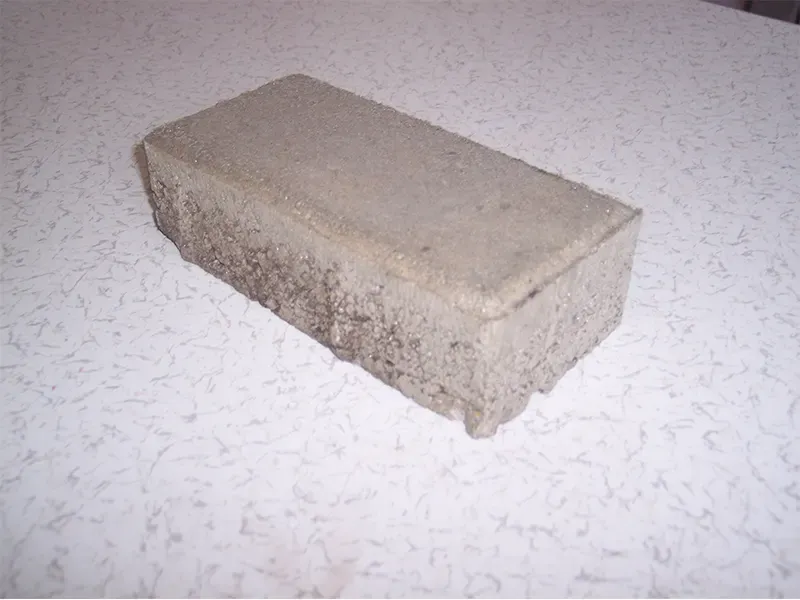
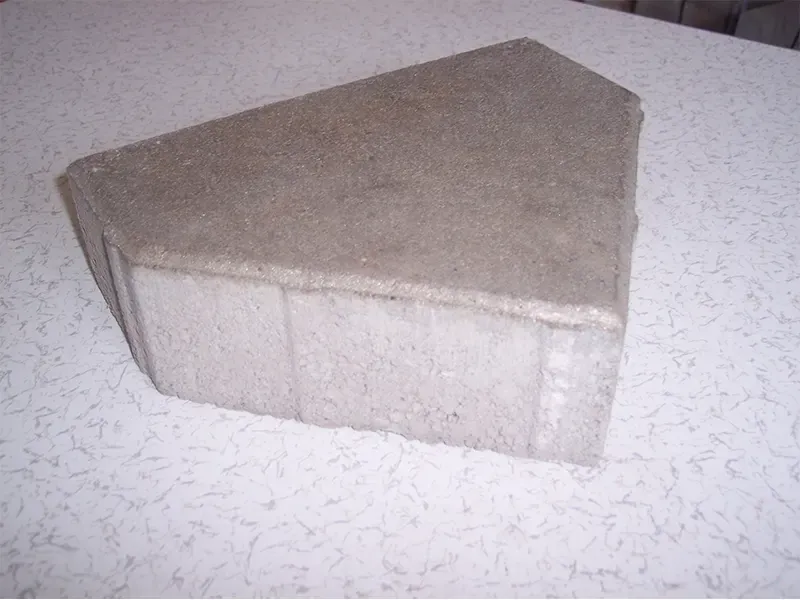
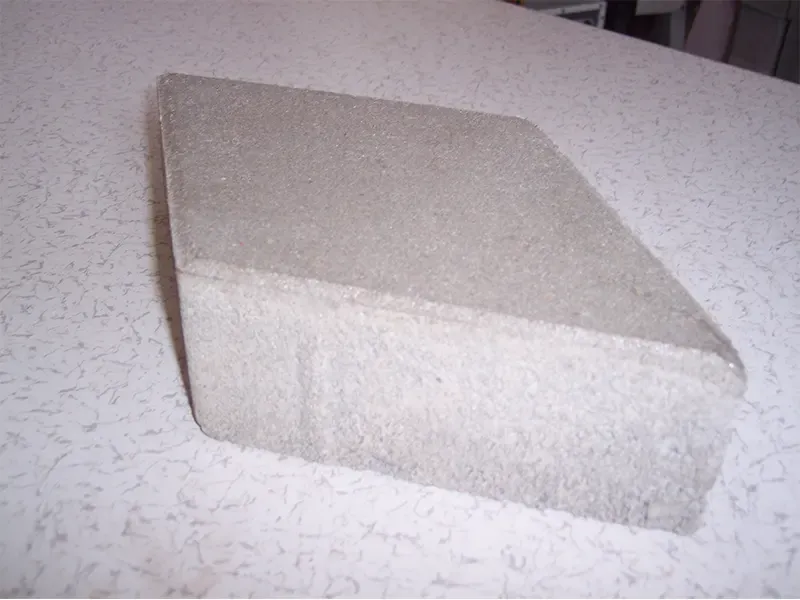
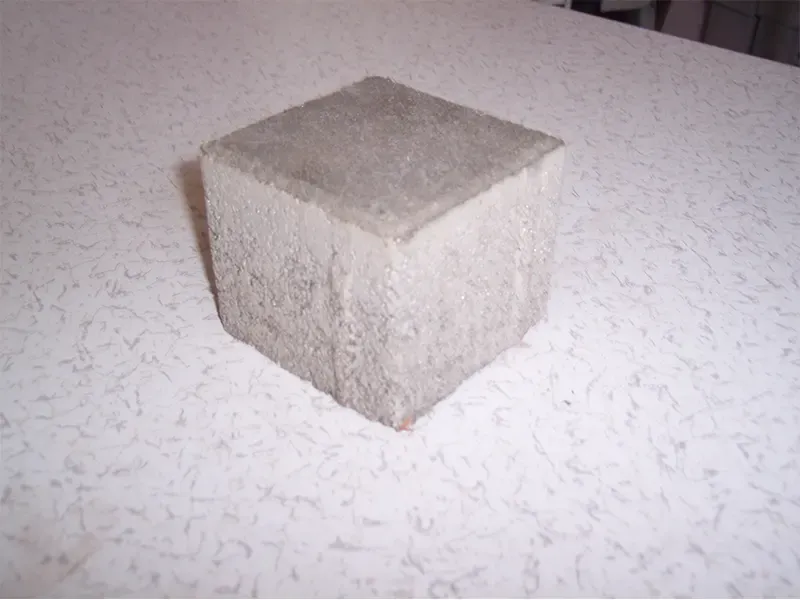
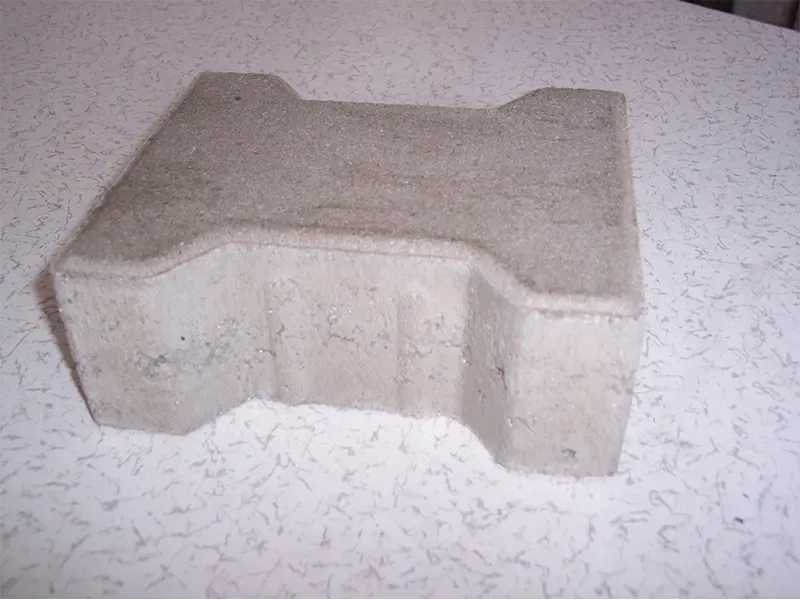
Paving Stones
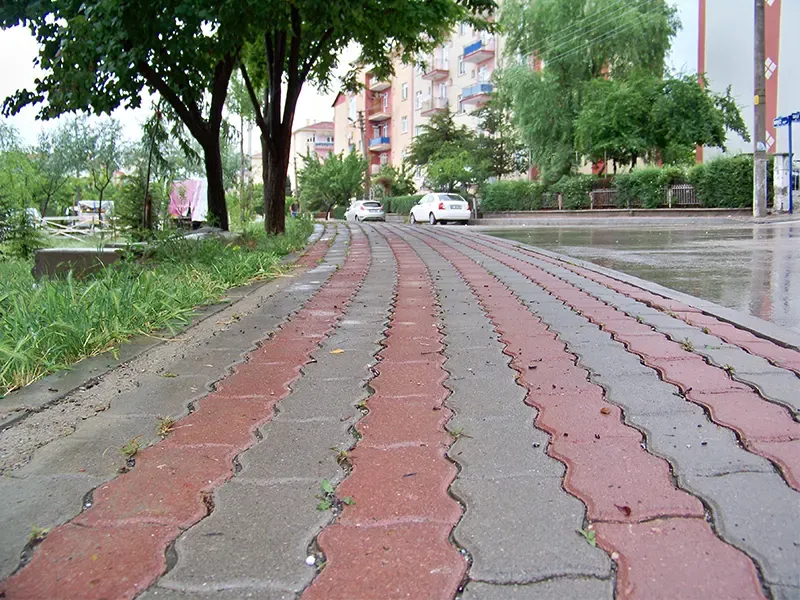
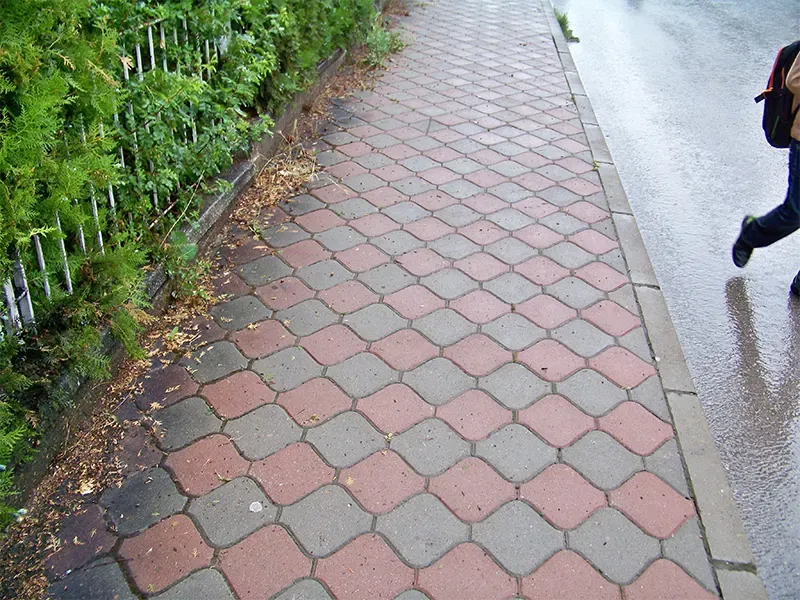
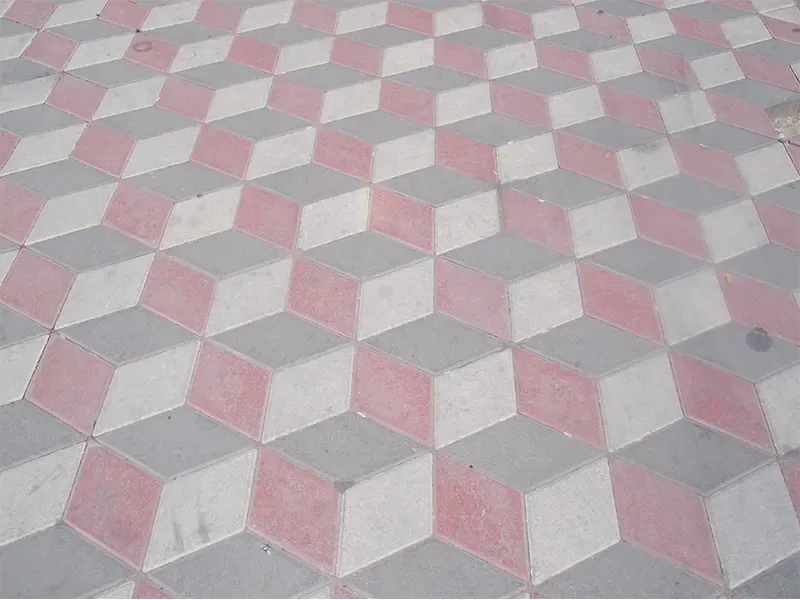
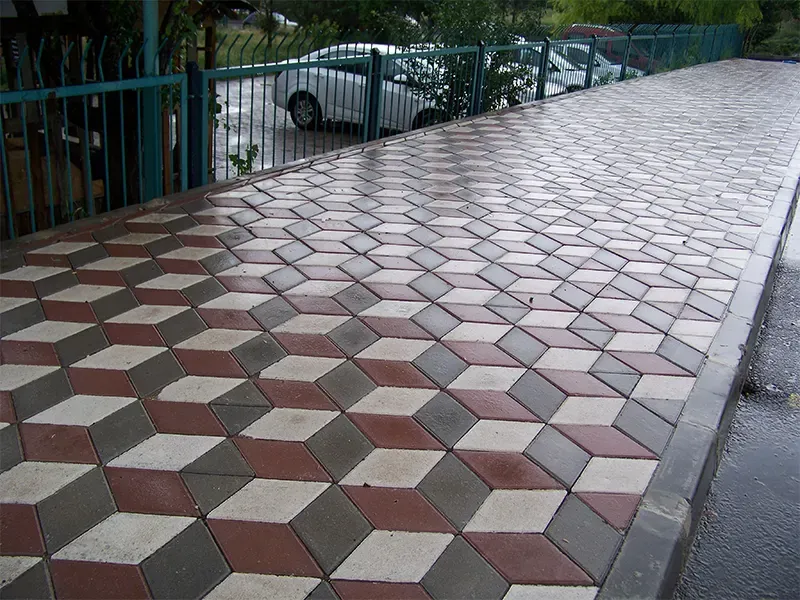
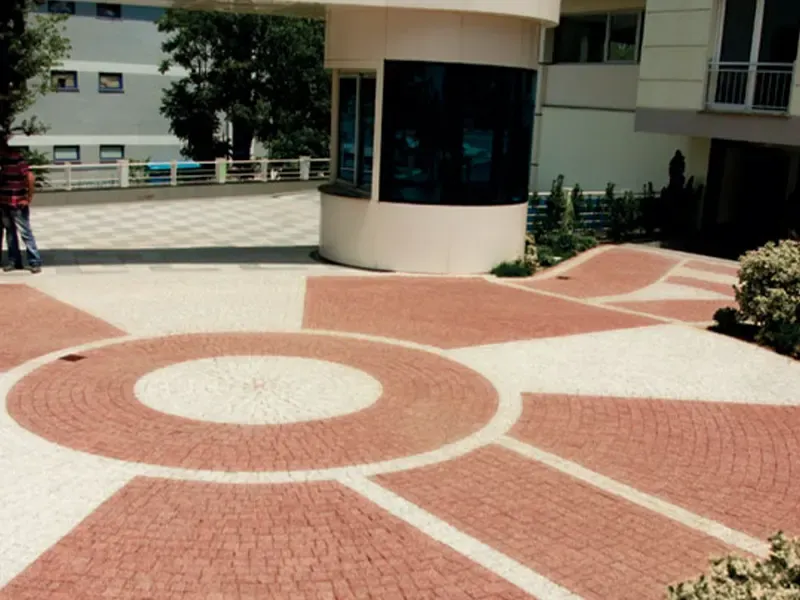
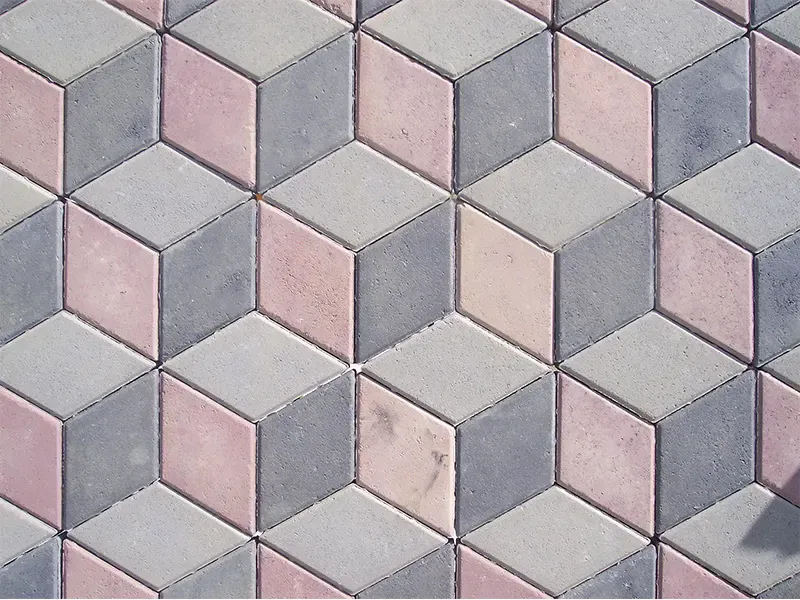
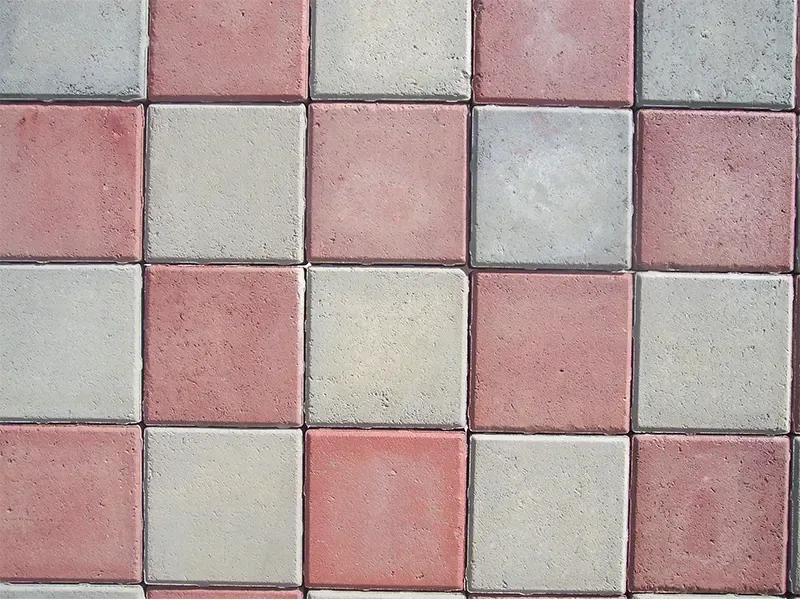
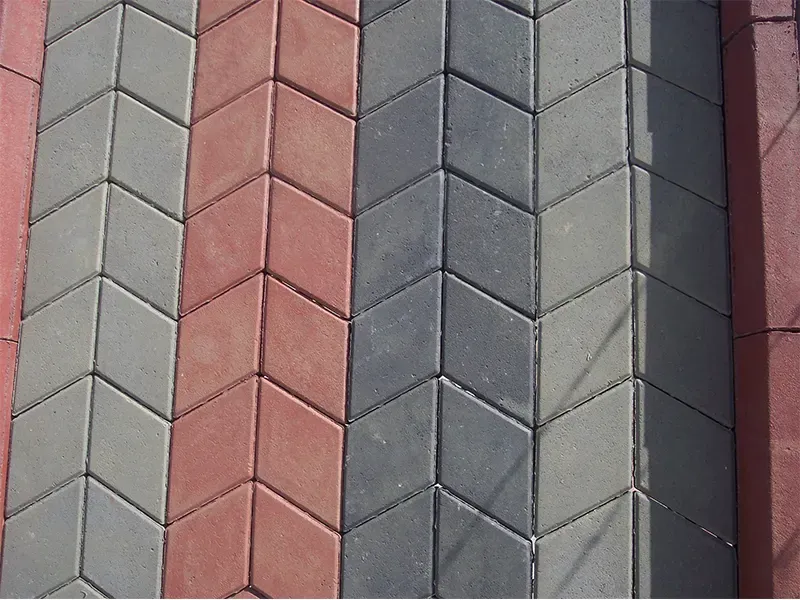
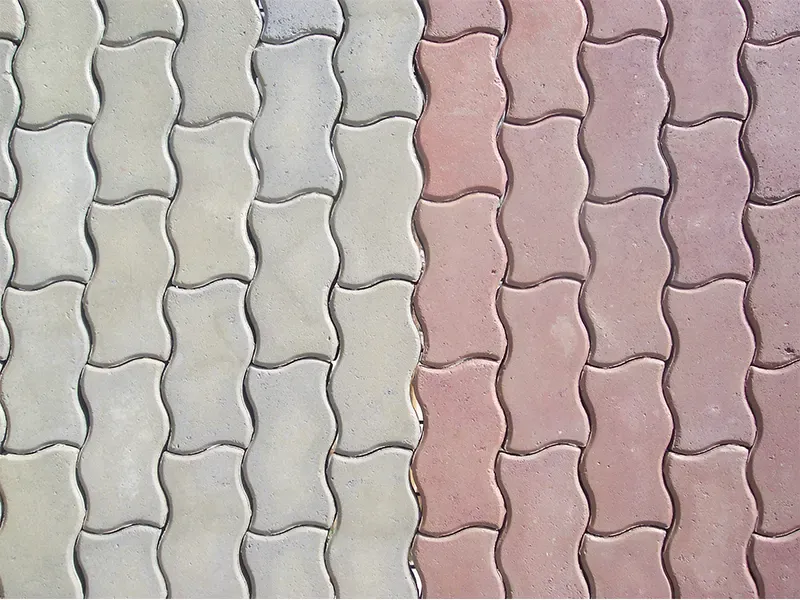
Paving stones, which play a significant role in establishing urban culture and creating more beautiful, aesthetically pleasing, and livable spaces, are essential for the formation of today's modern urban fabric.
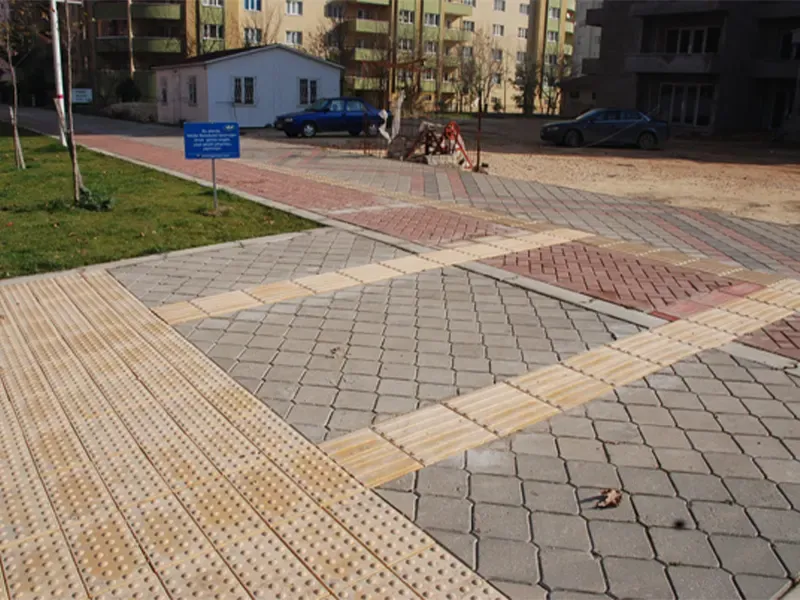
The durability and longevity of concrete paving stones, which withstand long-term weather conditions and heavy loads, are well-known. These stones, used in urban roads and sidewalks, industrial areas and roads, parking lots, commercial centers, factory surroundings, and other areas exposed to intense work, enliven spaces with a variety of color options that can be used for years without deterioration. Decorative paving stones are elements that add color to the cold appearance of concrete.
Why Paving Stones?
They are economical.
They are highly resistant to frost and cold weather.
They are easy to apply.
They are aesthetically pleasing and durable.
They are produced with domestic materials.
There is no economic loss in infrastructure work.
There is no compatibility problem with new and old materials.
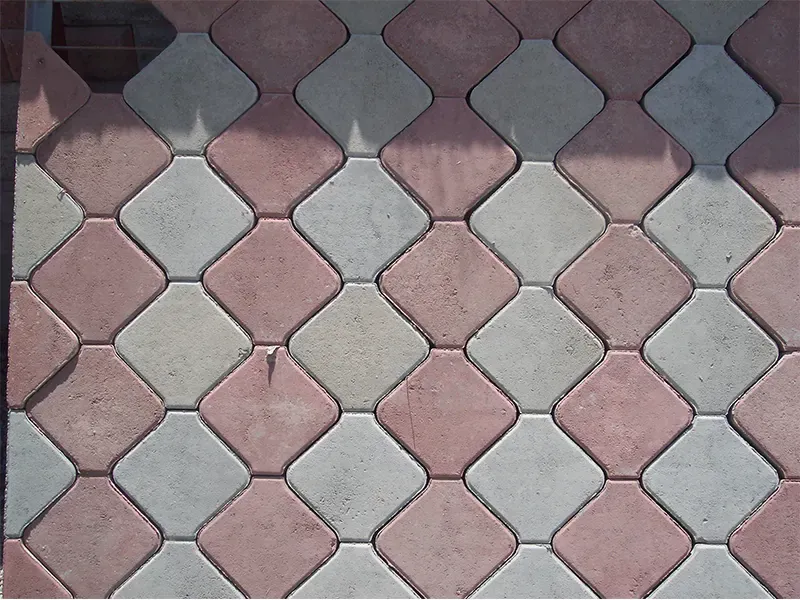
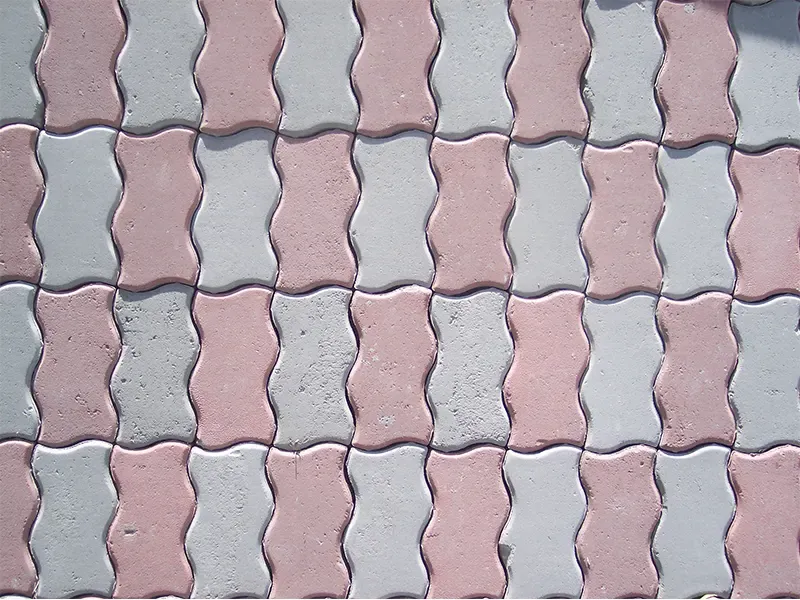
There are a variety of color, texture, and pattern options.
They prevent water accumulation.
They blend in with the environment. They are the most cost-effective paving elements because they are reusable after disassembly.
Paving Stone Production
Paving stones are manufactured in computer-aided, fully automated concrete plants by pressing high-strength, zero-slump concrete into molds of the desired shape and type using state-of-the-art paving machines using high vibration.
Technical Specifications
Surface abrasion resistance: 20 cm³/50 cm²
Water absorption rate: 6% (average)
Freeze-thaw resistance: 1 kg/m²
Characteristic splitting tensile strength: 3.6 MPa (average)
Installation and Application
1. The natural ground is leveled to the desired slope and specified elevation and compacted if necessary (roller, compactor, etc.).
2. Depending on the soil type and condition of the paving area, 0-63 stabilizer material is laid and compacted to improve the ground, if necessary.
3. 0-16 material is laid to completely fill the voids.
4. The curbstones are laid at the designated level with leveling concrete mortar, and the joints are concreted.
5. Prefabricated curbstone.
6. To ensure a smooth appearance of the paving stones, a 3-5 cm thick layer of 0-3 grit sand is laid on the compacted surface to create a level surface. This process creates a flat surface for paving stones. This prepares the ground for concrete paving stones.
7. The concrete paving stones begin to be laid. To ensure the stones fit securely, pressure is applied with a plastic-tipped hammer.
8. Once the paving is complete, fine sand is spread over the stones to fill the gaps between them. A compactor is then used to finish the surface, ensuring the stones are fully compacted. This allows the paved area to be ready for use.
CODE NO | MaterIal Name | WIdth | Length | HeIght | Number | WeIght |
Paving Stones | Cm | Cm | Cm | m2 | kg | |
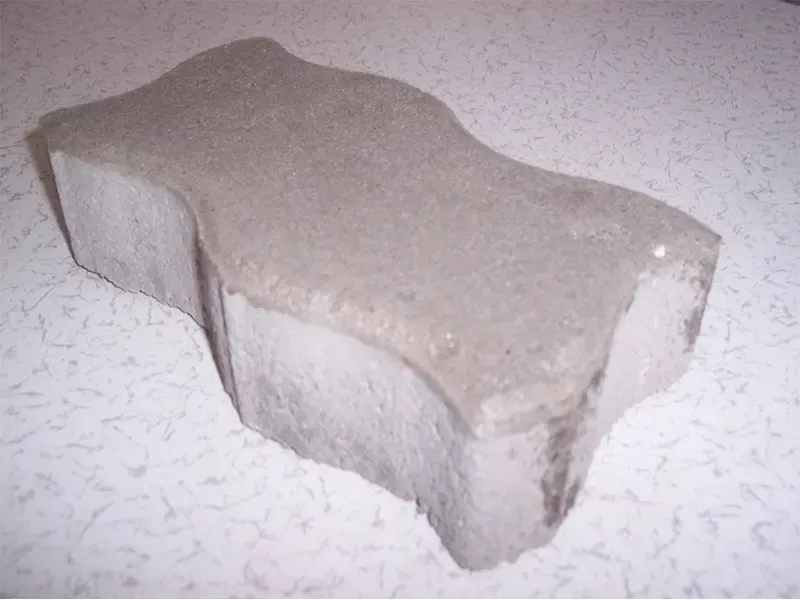
PTS6-8 | S-INTERLOCKING PAVING STONE | 12 | 24 | 6-8 | 33 | 3,6-4,8 |
PTKL6-8 | CLASSIC INTERLOCKING PAVING STONE | 10 | 20 | 6-8 | 48 | 2,6-3,5 |
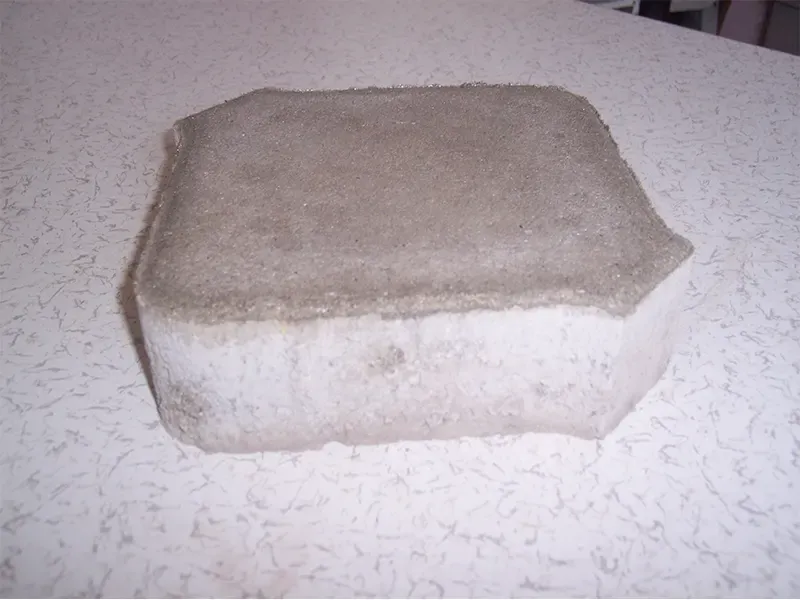
PTKARE8 | SQUARE INTERLOCKING PAVING STONE | 20 | 20 | 8 | 24,5 | 6,9 |
PTKUP6-8 | CUBE STONE | 10 | 10 | 6-8 | 96 | 1,35-1,8 |
PTKUPA6 | CUP INTERLOCKING PAVING STONE | 20 | 20 | 6 | 25 | 5,2 |
PTBES6-8 | PENTAGON INTERLOCKING PAVING STONE | 10 | 28 | 6-8 | 21 | 6-8,1 |
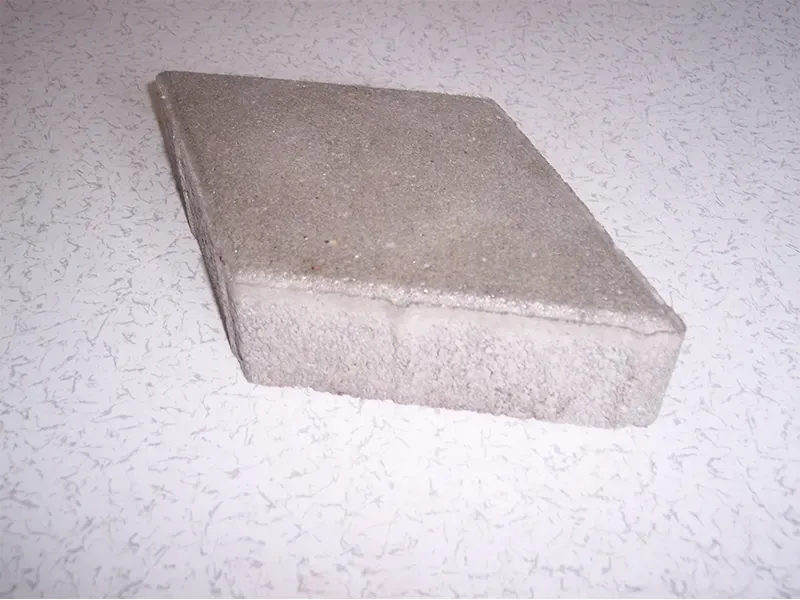
KARO | TILE SLAB | 40 | 40 | 5 | 6,25 | 17,7 |
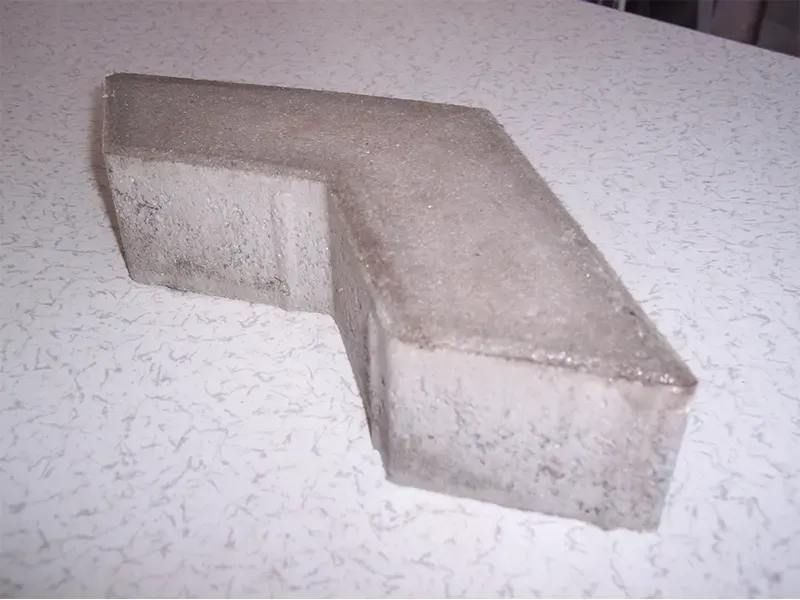
PTV7 | V-INTERLOCKING PAVING STONE | 9,5 | 19,5 | 7 | 39 | 4 |
PTI6-8-10 | PUNCTURAL INTERLOCKING PAVING STONE | 16,5 | 20 | 6-8-10 | 35 | 3,75-4,9-6,25 |
PTBKL8 | DIAMOND INTERLOCKING PAVING STONE | 20 | 20 | 8 | 26 | 6 |
PTBKL6 | DIAMOND INTERLOCKING PAVING STONE | 17,5 | 17,5 | 6 | 35 | 3,7 |